
Road Rage & Aggressive Driving
When stress, frustration, or anger take over while driving
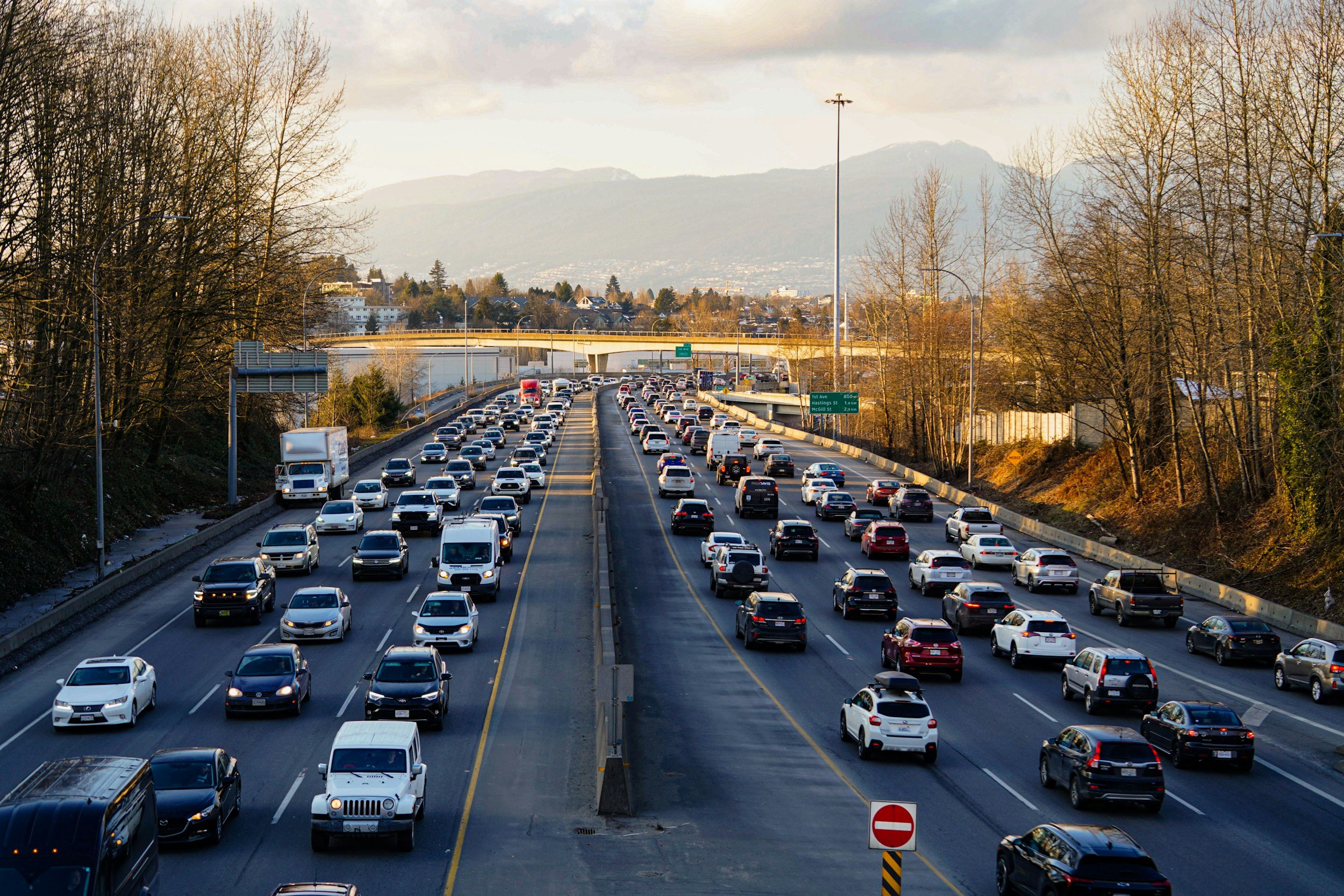
Driving environments can place individuals under significant pressure, especially in traffic, on highways, or in situations that require constant attention and quick decision-making. For some individuals, this pressure can build into frustration, anger, or feeling overwhelmed while on the road.
Road rage and aggressive driving behaviors are often not simply about anger, but about how the mind and body respond to stress in high-demand environments. Many individuals who experience this do not feel this way in other areas of their lives.
Transportation Psychology Institute provides specialized, non-judgmental therapy to help individuals better understand and manage emotional responses while driving.
This may show up as:
• feeling easily frustrated or irritated while driving
• strong emotional reactions to other drivers
• difficulty letting go of mistakes or delays on the road
• feeling tense, rushed, or overwhelmed in traffic
• reacting more intensely than intended
• noticing a shift in mood or behavior while driving
-
Driving environments often involve time pressure, unpredictability, and constant decision-making. For some individuals, this can place the nervous system under sustained stress.
When stress builds, it can shift into frustration or anger, particularly in situations where control feels limited or other drivers behave unpredictably. These reactions are often less about personality and more about how the body responds to pressure.
-
Not necessarily. Many individuals who experience strong reactions while driving do not have difficulties managing emotions in other areas of their lives.
Driving environments are unique in that they combine speed, risk, and limited control over others, which can amplify stress responses. However, if these reactions feel difficult to manage or are impacting daily life, it can be helpful to explore them further.
-
Learning to manage reactions while driving often involves understanding the underlying stress response and developing strategies to regulate it.
This may include recognizing early signs of tension, building awareness of triggers, and learning techniques to reduce physiological arousal in real time.
Over time, individuals can develop greater control over their responses and feel less reactive in driving situations.
-
Yes. Therapy can be very effective in helping individuals understand and manage emotional responses while driving. Treatment focuses on identifying patterns, reducing stress responses, and building more adaptive ways of responding to challenging situations.
A non-judgmental, structured approach can help individuals feel more in control and less overwhelmed on the road.
Therapy for Stress and Emotional Responses While Driving
For some individuals, driving can become one of the most stressful parts of the day.
At Transportation Psychology Institute, therapy focuses on helping individuals understand how their nervous system responds to stress in driving environments and develop strategies to manage these reactions more effectively.
Treatment may include:
• Cognitive Behavioral Therapy (CBT)
• nervous system regulation strategies
• stress response awareness and management
Driving With Greater Calm and Control
Many individuals feel frustrated or discouraged by their reactions while driving, especially when it does not reflect how they typically respond in other areas of life.
With the right support, it is possible to better understand these patterns and develop a greater sense of calm and control on the road.
You may also be experiencing:
• Highway Driving Anxiety
• Panic Attacks While Driving
• Driving Anxiety Therapy
Feel More Calm and In Control While Driving
If stress or frustration while driving has been affecting your daily experience, therapy can help you respond with greater ease and control.