
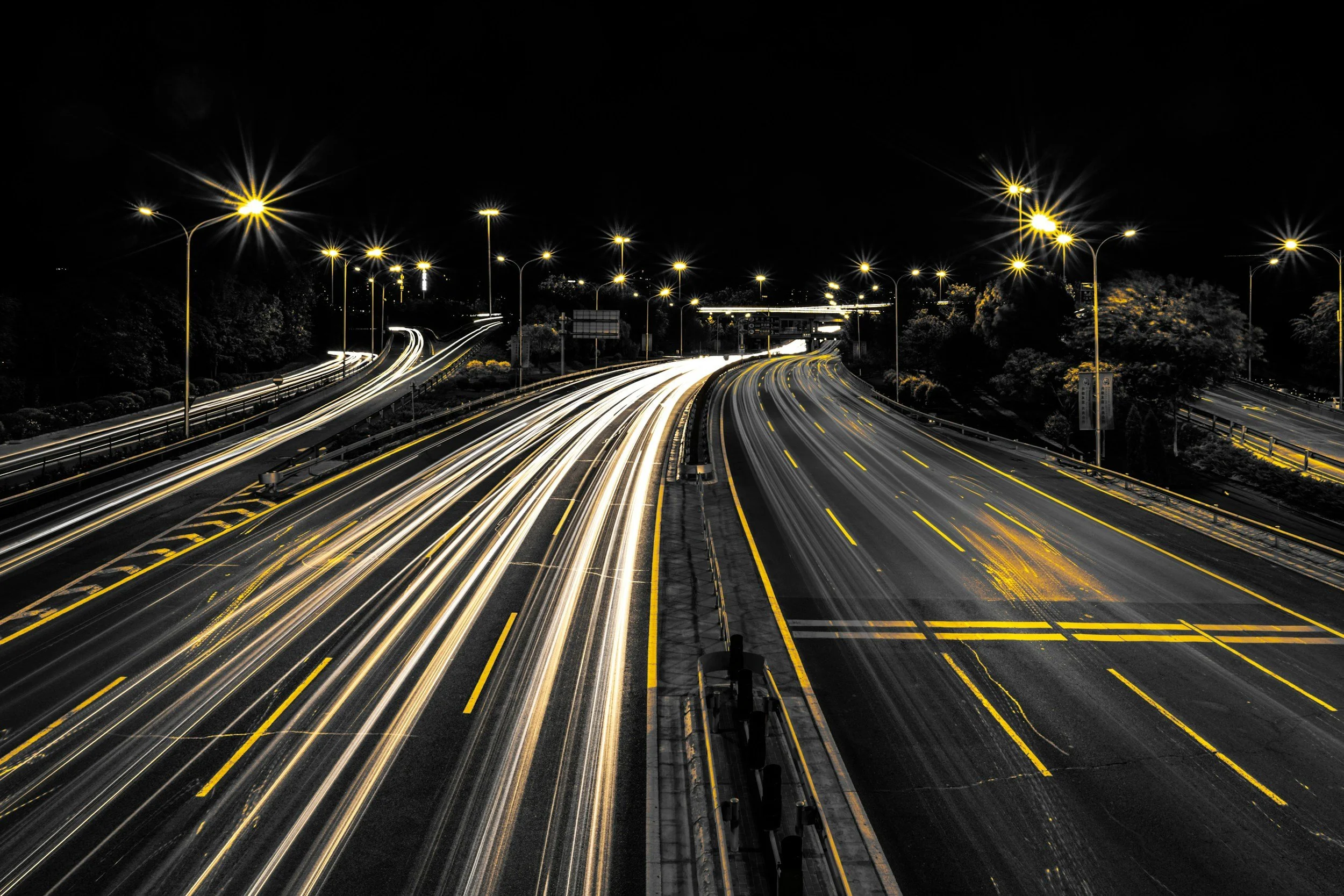
Highway Driving Anxiety
When highways, merging, or high-speed traffic start to feel overwhelming
Highway driving anxiety can develop even in individuals who feel comfortable driving in other situations. Many people find that highways, merging lanes, and high-speed traffic create a sense of pressure, reduced control, or heightened awareness.
Some individuals begin avoiding highways altogether, taking longer routes, or limiting how far they are willing to drive. Others feel tense, overwhelmed, or on edge when entering or navigating highway traffic.
These experiences are more common than many people realize and are highly treatable with the right therapeutic support.
Highway driving anxiety may feel like:
fear of merging into fast-moving traffic
avoiding highways whenever possible
taking significantly longer routes to avoid certain road
feeling overwhelmed by speed or traffic volume
worrying about not being able to exit quickly
tension or panic when entering on-ramps
-
Highway environments involve higher speeds, constant movement, and fewer opportunities to stop or exit quickly. For some individuals, this can increase feelings of pressure or lack of control.
If a person has had a stressful or overwhelming experience while driving, the nervous system may begin to associate highways with danger, even when they are objectively safe.
-
Yes. Many individuals who experience driving-related anxiety find themselves avoiding highways, even if they feel comfortable driving in other situations.
Highways involve higher speeds, merging, and fewer opportunities to stop or exit quickly, which can increase feelings of pressure or reduced control. For some individuals, this leads to taking longer routes, limiting travel distance, or avoiding certain roads altogether.
These responses are more common than many people realize and are often a natural reaction to feeling overwhelmed or unsafe in high-speed traffic environments.
-
Overcoming fear of highway driving or merging typically involves a gradual and structured approach. Rather than forcing exposure, therapy focuses on helping individuals understand their anxiety responses and build confidence step by step.
This may include developing strategies to manage physical symptoms of anxiety, addressing past stressful or overwhelming driving experiences, and gradually practicing highway driving in a controlled and supportive way.
With time and the right support, many individuals are able to expand their comfort zone and return to driving situations that previously felt difficult or avoided.
-
Yes. Therapy can be very effective in helping individuals reduce anxiety related to highway driving. Treatment focuses on understanding how fear responses develop, processing experiences that may have contributed to the anxiety, and gradually rebuilding confidence in highway environments.
Approaches such as trauma-informed therapy, cognitive behavioral techniques, and structured exposure can help reduce the intensity of anxiety and make highway driving feel more manageable.
Many individuals are able to make meaningful progress and return to driving situations that once felt overwhelming.
Therapy for Highway Driving Anxiety
Highway driving anxiety can make everyday travel feel limiting, but effective treatment is available.
At Transportation Psychology Institute, therapy focuses on helping individuals understand their fear responses, process past driving experiences, and gradually rebuild confidence navigating highway environments.
Treatment may include:
• EMDR
• CBT
• nervous system regulation
• gradual exposure to highway driving situations
Driving on Highways With Greater Confidence
Many individuals who avoid highways worry that they may never feel comfortable driving at higher speeds or merging into traffic. With the right support, these fears are often highly treatable.
Therapy helps individuals gradually return to highway driving in a structured and manageable way.
If highway driving anxiety has been limiting your ability to travel, support is available.