
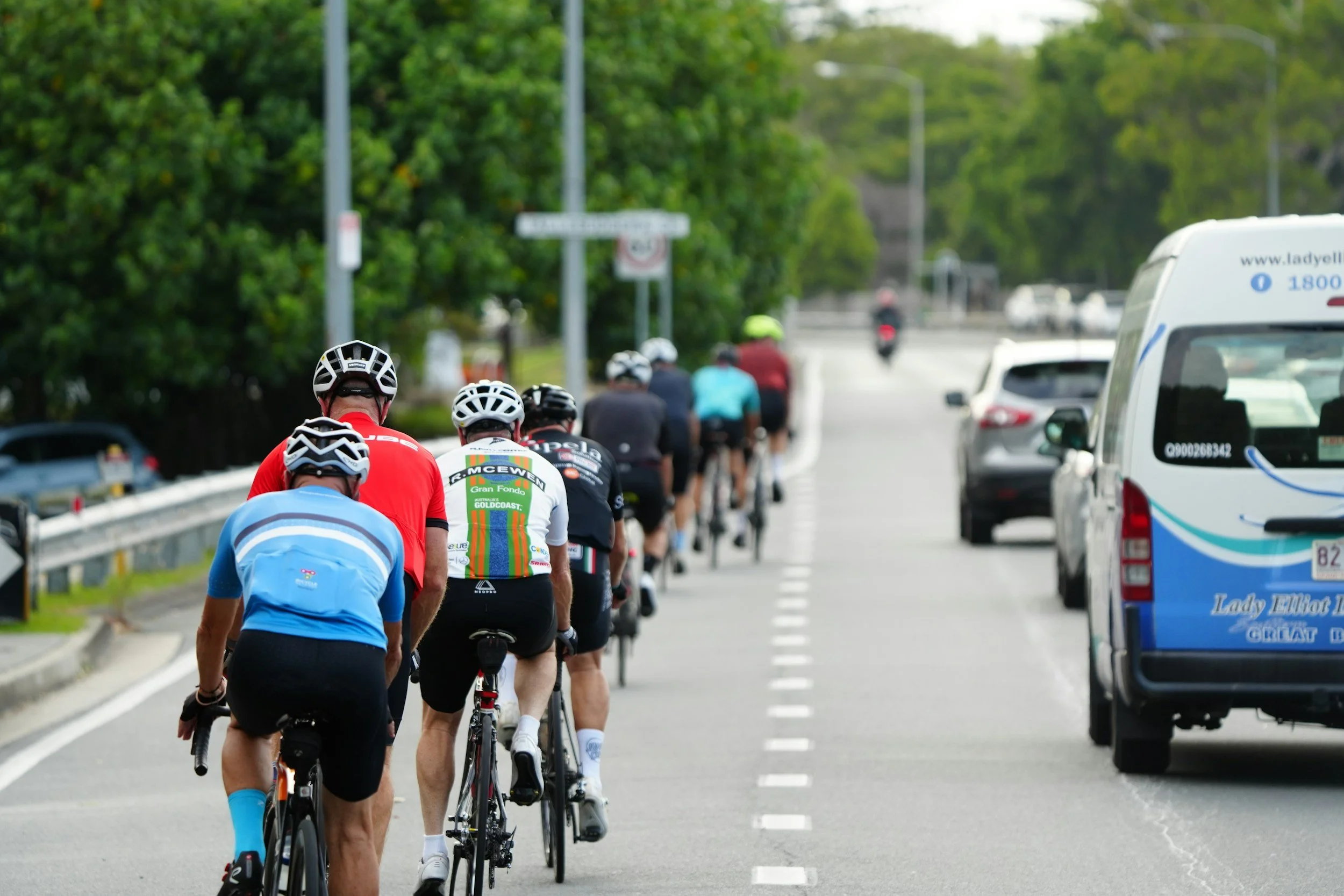
Pedestrian, Motorcyclist, & Cyclist Trauma Therapy
When walking or cycling near traffic starts to feel unsafe or overwhelming
Experiencing or witnessing a traffic-related incident as a pedestrian or cyclist can have a lasting impact. Even when physical injuries have healed, individuals may notice increased anxiety, tension, or discomfort when walking or biking near traffic.
Some people feel uneasy crossing streets, navigating busy intersections, or sharing the road with vehicles. Others may avoid walking, cycling, or other vulnerable positions in traffic environments, especially in environments that feel fast-paced or unpredictable.
Transportation Psychology Institute provides specialized, trauma-informed therapy to help individuals process these experiences and regain a sense of safety and confidence in everyday movement.
This may feel like:
• anxiety when crossing streets or intersections
• feeling unsafe walking near traffic
• heightened awareness of cars and surroundings
• avoiding motorcycle riding, biking or walking in certain areas
• tension or discomfort in busy environments
• strong reactions to reminders of a past incident
-
Yes. Many people feel increased anxiety or awareness after a traffic-related experience, especially in more exposed situations like walking, cycling, or riding a motorcycle. The nervous system may stay alert in similar environments, even when they are safe.
These responses are a natural way the body tries to prevent future danger and can improve with the right support.
-
After a stressful or frightening experience, the brain and body may continue to scan for potential threats. This can create a heightened sense of awareness or discomfort, even in situations where there is no immediate danger.
The nervous system may be reacting to cues that remind it of the original experience, rather than what is actually happening in the present moment.
-
Yes. Therapy can help individuals process past experiences and reduce the intensity of anxiety in traffic environments. Treatment focuses on helping the mind and body feel safer in situations that may currently feel overwhelming.
With a gradual and supportive approach, many individuals are able to return to walking, cycling, riding with greater comfort and confidence.
-
Avoiding situations that feel unsafe is a very common response after a stressful experience. While this can reduce anxiety in the short term, it can also make it more difficult to return to those activities over time.
Therapy can help individuals gradually re-engage with these environments in a way that feels manageable and supportive.
Therapy for Pedestrian, Motorcyclist, and Cyclist Trauma
Traffic environments can feel unpredictable and overwhelming after a difficult experience, but effective support is available.
At Transportation Psychology Institute, therapy focuses on helping individuals process what happened, reduce anxiety responses, and gradually rebuild a sense of safety in everyday movement.
Treatment may include:
• EMDR
• Cognitive Behavioral Therapy (CBT)
• nervous system regulation strategies
• gradual exposure to walking or cycling environments
Moving Through the World With Greater Confidence

Many individuals worry that they will always feel unsafe or uncomfortable walking or biking near traffic. With the right support, these patterns can change.
Therapy helps individuals gradually rebuild confidence so they can move through their environment with greater ease.
You may also be experiencing:
• Driving Anxiety After a Car Accident
• Passenger Anxiety
• Travel Anxiety
Feel More Comfortable Moving Through Your Environment
If walking or cycling has become stressful or difficult, therapy can help you regain a sense of safety and confidence.