
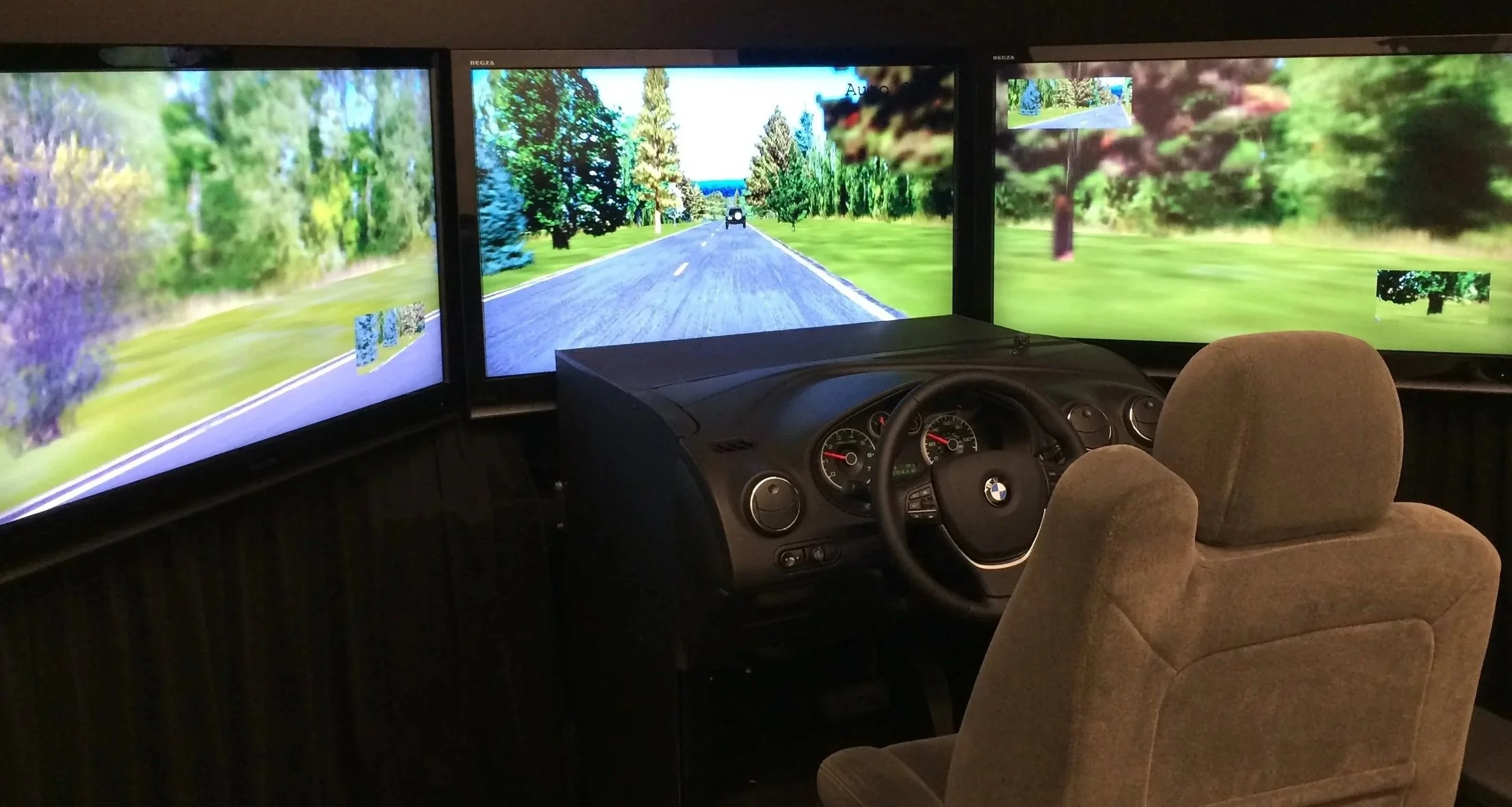
Driving Simulator Therapy
(Coming Soon)
A New Approach to Treating Driving Anxiety
Transportation Psychology Institute is developing a driving simulator program designed to support therapy for individuals experiencing driving anxiety, panic while driving, or trauma related to motor vehicle accidents.
Driving simulators allow individuals to practice driving scenarios in a safe and controlled environment, creating opportunities for gradual exposure and skill-building without the pressure of real-world traffic.
This program is currently in development and will be introduced in the future as part of expanded treatment services.
-
The long-term goal of the simulator program is to integrate psychological treatment with practical driving skill development.
Transportation Psychology Institute is exploring future collaboration with occupational therapists specializing in driver assessment and rehabilitation to provide a comprehensive approach to helping individuals safely return to driving.
-
For many individuals, returning to driving after anxiety or trauma can feel overwhelming. A simulator environment allows therapy to include structured practice with common driving situations such as:
• highway driving
• merging and lane changes
• intersections and traffic signals
• navigating busy roadways
• managing anxiety while operating a vehicleBecause the environment is controlled, clients can practice these situations gradually while learning tools to regulate anxiety and build confidence.
-
Driving simulators can provide a controlled environment for practicing situations that may feel overwhelming on the road. For individuals recovering from driving anxiety or transportation-related trauma, simulation allows gradual exposure to challenging driving scenarios while remaining in a safe and supportive setting.
Situations such as highway driving, merging, heavy traffic, or complex intersections can be recreated in ways that allow clients to work through fear responses step by step.
When used alongside evidence-based therapy approaches, simulator-based practice may help individuals rebuild confidence, strengthen coping strategies, and increase comfort returning to real-world driving environments.
-
Driving simulator therapy may be helpful for individuals who:
• developed driving anxiety after a car accident
• experience panic attacks while driving
• feel unable to drive on highways or busy roads
• stopped driving due to fear
• want to rebuild confidence in a structured and supportive setting -
The driving simulator program is currently in development.
Updates about program availability will be shared as the program launches.
Interested in This Program?
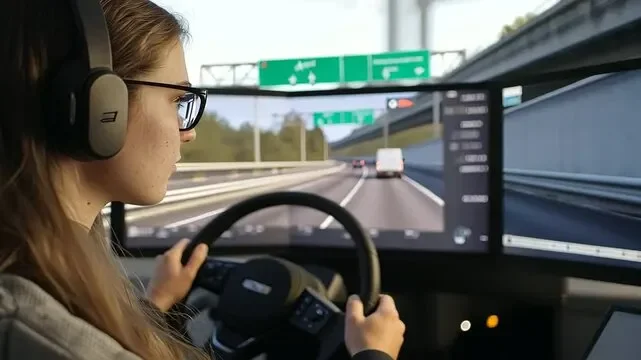
Driving simulation technology is being developed as part of the Transportation Psychology Institute’s approach to supporting individuals recovering from driving anxiety and transportation-related trauma.
If you would like to learn more about this developing service or discuss whether it may be helpful for you, please feel free to get in touch.